
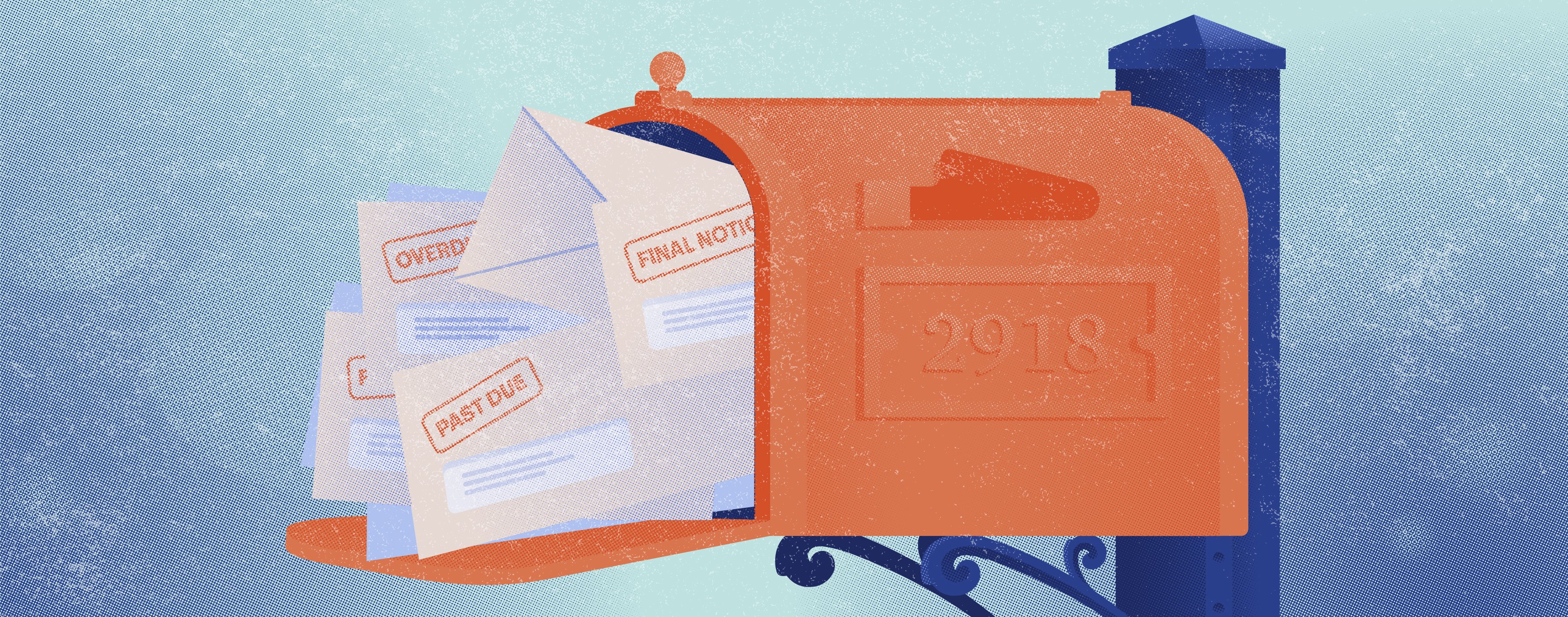
Life doesn’t always give you a warning before things get hard. One month, everything might feel manageable. The next, you’re staring at your credit card bill, wondering how you can make the payment, or feeling like you can’t pay minimum on credit card debt at all. A job loss, rising rent, medical challenges, inflation or an unexpected life change could throw your finances off track fast.
If you’re feeling overwhelmed, it's important to understand your options. Let's break it down to help you figure out how to move forward.

Why Your Brain Panics When Money Gets Tight
If you’re starting to fall behind financially, taking action as soon as possible may prevent the situation from becoming more difficult to manage. But that might be easier said than done when your body is reacting to stress.
When money feels tight, your nervous system might kick into fight, flight or freeze mode. Recognizing what's happening may help you regain a sense of control. Here's what each of these responses might look like when you're dealing with financial stress from credit card debt:
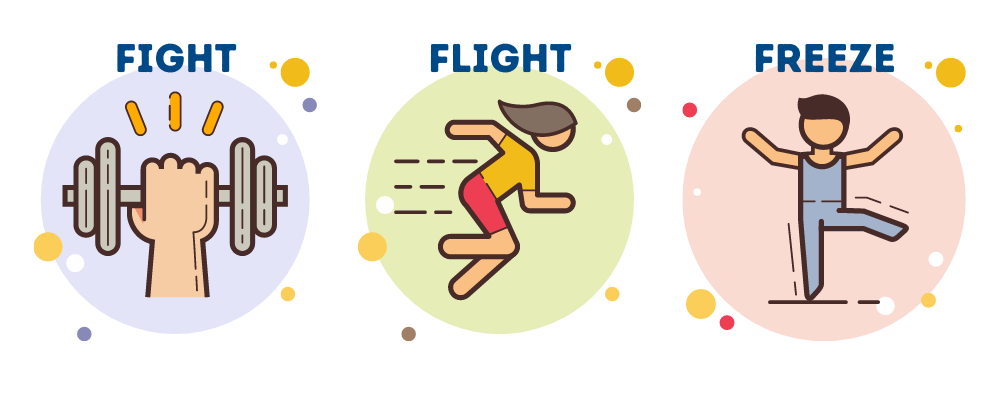
Fight Response
[Attacking the threat in some way, aggressive behavior]
Finance Connection: 'Fighting' a credit card minimum payment might involve calling the credit card company and aggressively arguing over the payment amount or interest charges, refusing to pay off the balance, falsely claiming fraud or trying to close the account.
Flight Response
[Fleeing or running away from the threat, actively moving in the opposite direction or responding with an opposite behavior]
Finance Connection: 'Flight' from a credit card minimum payment might involve charging more purchases to the credit card and throwing away or deleting any items related to the debt payment or collection.
Freeze Response
[Feeling immobilized or intentionally doing nothing. Freezing is the most common reaction to financial stress.]
Finance Connection: 'Freezing' in the face of a credit card minimum payment might involve refusing to collect, view, or open mail, not answering phone calls or emails from creditors and avoiding conversations with loved ones about finances.
Do any of these reactions sound familiar? If so, acknowledge what's happening without judgment. Awareness is often the first step toward changing the situation.
You may be able to take back control of your finances, even if it feels like climbing Mt. Everest right now. Taking the first step may feel hard, but making even a little progress could give you some relief.
Call Your Lender
 If you can’t afford the minimum payment on credit card bills, calling your credit card issuer as soon as possible can be a helpful first step.
The idea of calling the company you owe money to might sound terrifying. You might be thinking, “Why would I call the people I can’t pay?” But that call might actually work in your favor.
Most banks and credit unions would much rather talk to you about your credit card balance than not hear from you at all. When you call and explain that you’re struggling, your lender might work with you. They may offer a payment plan or waive fees to make your balance easier to manage.
There’s also a practical reason lenders are motivated to help. If they can’t reach you or your payments stop for too long, the account may be sent to collections, which costs them money. Working with you directly is often better for both sides. Calling your lender won’t erase the debt, and the credit bureaus may still be notified, but you may end the call with a realistic credit card payment plan.
Create A Plan So This Doesn’t Happen Again
Once you’ve started working with your lender, the next step is to create a simple plan to boost your financial health. A budget may help you see where your money is going and how much is left after covering essentials like housing, food, utilities and transportation. A budgeting template and some recent bank statements may make this process much easier.
If you’re juggling multiple payments, a self-directed debt payoff plan can help you stay organized. Our Debt Relief Bundle is designed to make that easier. It includes a worksheet to figure out how much you can pay toward your debt each month, without putting the rest of your finances at risk.
Consider Debt Consolidation
If you’re wondering how to lower your minimum payments on your credit cards, debt consolidation or refinancing may help. This option isn’t right for everyone, but understanding how it works can help you decide if it’s a good fit.
Refinancing is when you replace one loan with another that may offer a different interest rate, payment or term. In some cases, refinancing can help make payments more manageable. Keep in mind that lowering your payment may mean extending the loan term, which can increase the total interest paid over time. Depending on the loan type, fees and closing costs may also apply.
With debt consolidation, you combine multiple balances into one new loan or credit line. Like refinancing, it may change your interest rate or repayment terms and it can also simplify your finances. Instead of tracking several due dates, you make one payment each month, which may help you avoid missed payments and late fees.
Debt consolidation can be helpful for some people, but it may not be the right move if you don’t have a plan to avoid taking on new debt.
Several types of loans are commonly used to consolidate debt. Here are a few options to consider:
Personal Loan
A personal loan¹ is a common way to consolidate debt. With this option, you borrow a set amount and repay it through fixed monthly payments over a set term. Approval, rates and terms vary based on factors like credit history, income and lender requirements.
Home Equity Loan
Like a personal loan, a home equity loan² lets you borrow a lump sum and repay it with fixed monthly payments over a set term. The key difference is that a home equity loan is secured by the equity in your home, which may affect rates and terms. Closing costs and other fees may apply.
Home Equity Line Of Credit
The equity in your home also secures a home equity line of credit (HELOC),³ but it works differently from a home equity loan. A HELOC is a revolving line of credit that lets you borrow what you need, when you need it, up to your credit limit. As you repay what you borrow, your available credit is replenished.
A HELOC generally includes a draw period and a repayment period. During the draw period, you can access funds as needed. After that, you enter repayment and begin paying down the remaining balance. Terms, rates and fees vary, and because your home is used as collateral, it’s important to understand the risks and requirements before choosing this option.
Balance Transfer Credit Card
A balance transfer credit card⁴ involves opening a new credit card and moving existing balances onto it. Some cards offer an introductory rate for a limited time, which may help reduce interest costs while you work on paying down the balance.
Balance transfer fees may apply, and promotional terms vary by card. If a remaining balance is not paid off before the promotional period ends, interest may apply based on the card’s standard terms.
Other Options
Depending on your situation, other forms of refinancing may also be used to consolidate debt. Since costs and qualification requirements vary, it can help to review options carefully before moving forward.
Debt Consolidation Pros And Cons
Before applying for a debt consolidation loan, consider the benefits and downsides. Consolidating debt may be helpful, but it’s not right for every situation.
Pros
- Simplified finances: Rolling multiple debts into one monthly payment may make it easier to stay organized and keep up with due dates
- Potential interest savings: A debt consolidation loan may offer a lower rate than some existing debts, depending on terms and creditworthiness
- More manageable payments: A longer repayment term may reduce your monthly payment in some cases
- Clear payoff timeline: A fixed payment schedule can make budgeting easier and help you plan ahead
Cons
- Longer loan terms: Lower payments may come with longer terms, which can increase the total interest paid over time
- Fees and closing costs: Some debt consolidation options include fees or closing costs, depending on the loan type
- Collateral risk: If the equity in your home secures the loan, your property could be at risk if you’re unable to make payments
- Doesn’t fix spending habits: Without a plan to avoid new debt, you may end up worse off than before
- Not everyone qualifies: Lenders will review your credit and approval or favorable terms may be more difficult to get with a lower score
Get Help From A Trusted Partner
If you can’t pay the minimum on your credit card, we can help you review your options and understand what may work best for your situation. Credit unions are member-owned organizations focused on helping members, and we offer tools and resources designed to support your financial goals.
We also partner with GreenPath™ to provide debt and credit counseling as a member benefit. These nationally certified credit counselors can help you get organized, build a plan and talk through strategies that fit your situation.
A GreenPath™ advisor may also review your credit report, help you build a budget, provide housing counseling and explore ways to avoid bankruptcy. In some cases, they may recommend a debt management plan (DMP) if it makes sense for your situation.
A DMP is not the same as debt settlement or debt relief. You still repay the full amount you owe, but GreenPath™ may help you work toward more manageable repayment terms. DMPs typically come with a fee, but the structure may help build a clear path forward.
You Don’t Have To Face This Alone
If you can’t afford the minimum payment on your credit card, start by reviewing your options. Talking with your credit card issuer may help you understand whether a payment plan or other relief is available. Creating a simple plan can also help you feel more in control as you move forward.
If you’d like additional support, credit counseling services may help you get organized and explore options for managing debt.

This article is intended to be a general resource only and is not intended to be nor does it constitute legal advice. Any recommendations are based on opinion only. Rates, terms and conditions are subject to change and may vary based on creditworthiness, qualifications, and collateral conditions. All loans subject to approval.
¹All loans subject to approval. Rates, terms and conditions are subject to change and may vary based on creditworthiness, qualifications and collateral conditions. Membership is required. The maximum unsecured amount that can be financed is $10,000.
²APR=Annual Percentage Rate. Rates, terms and conditions are subject to change and may vary based on credit worthiness, qualifications and collateral conditions. All loans are subject to approval. Rate shown is for 60 month term. 120 and 180 term loans are also available. Contact us for details. Minimum amount: $15,000 - Maximum amount: $350,000. Property insurance is required and will be verified. No prepayment penalty. An origination fee of $300-$800 will apply based on your total loan amount. Membership is required.
³All loans subject to approval. Rates, terms and conditions are subject to change and may vary based on creditworthiness, qualifications and collateral condition. No prepayment penalty. Property insurance is required and will be verified. APR=Annual Percentage Rate. APR: minimum is 4.00% and maximum is 18.00%. Minimum amount: $15,000 and maximum amount: $350,000. The index will be adjusted monthly as of the first day of each billing cycle following an index change. Prime Rate is 6.75%. Floor Rate is 4.00%.
⁴The creditor and issuer of these cards is Elan Financial Services, pursuant to a license from Visa U.S.A. Inc.


